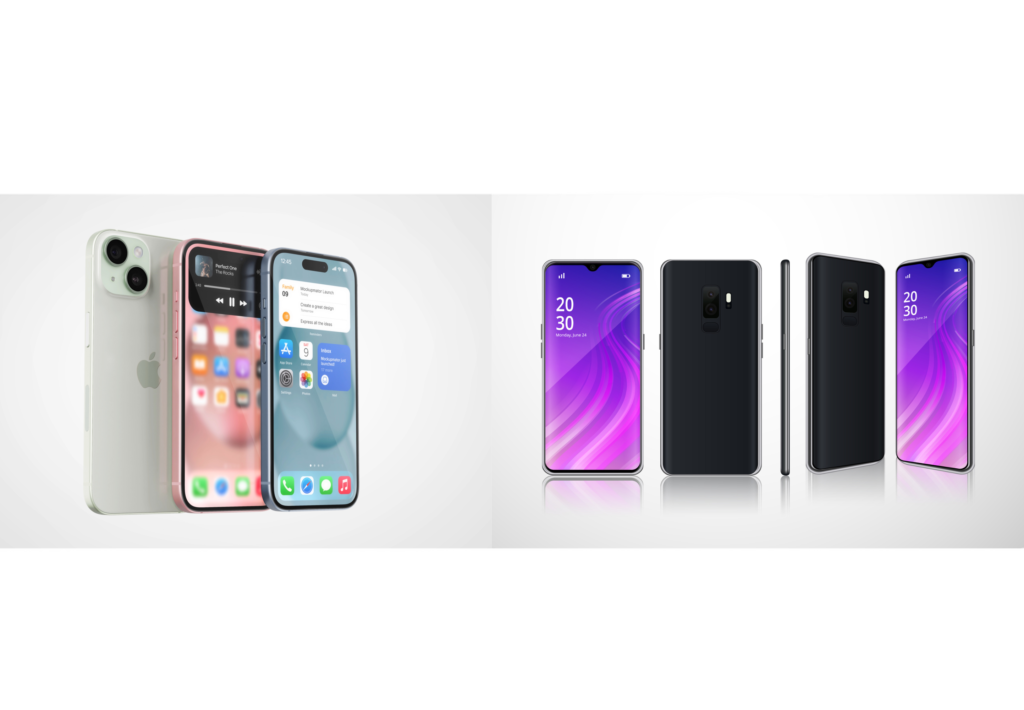
Huawei’s new tablet is iPad Mini’s competition

Website: https://x.com/HuaweiMobile/status/2026567996106580356 , Image/ Video Credit: Huawei

Finding a powerful tablet that actually fits in one hand is a challenge, but the new Huawei MatePad Mini is stepping up to challenge the iPad Mini’s crown.

Launched globally with a sleek design and high-end specs, this 8.8-inch powerhouse is built for those who need performance without the bulk of a full-sized tablet. Here is everything you need to know about the latest addition to the MatePad family.

The “Pocket Rocket” Specs

  • Stunning Display: It features an 8.8-inch 2.5K Flexible OLED screen. With a 120Hz refresh rate and 1800 nits peak brightness, it’s vibrant enough for outdoor use in the Indian sun or bright office spaces in the US.
  • Ultra-Thin & Light: At just 5.1mm thin and weighing only 255g, it’s significantly lighter than most smartphones in a rugged case, making it perfect for one-handed reading or gaming.
  • Pro-Grade Cameras: Unlike most tablets with “filler” cameras, this packs a 50MP main sensor and a 32MP selfie camera, ideal for high-quality video calls or scanning documents on the go.
  • Power to Last: A 6,400mAh battery paired with 66W fast charging means you won’t be tethered to a wall for long.

Who is this for? (Target Uses)

The MatePad Mini isn’t just a smaller tablet; it’s a specialized tool for specific lifestyles:

  1. The Mobile Gamer: The 120Hz OLED screen and compact size make it a “gaming handheld” in disguise. It’s easier to grip than a 10-inch tablet but offers much more immersion than a phone.
  2. The Digital Nomad & Student: If you’re constantly commuting between Jersey City and Manhattan, or navigating a busy campus in Bengaluru, this fits in a jacket pocket or a small sling bag. With M-Pencil Pro support, it’s a digital notepad that goes everywhere.
  3. The E-Reader Enthusiast: For those who find Kindles too slow but 11-inch tablets too heavy, this is the “Goldilocks” device for reading magazines, PDFs, and comics.
  4. The Content Creator: With 4K video recording and a high-res front camera, it’s a portable studio for quick reels, vlogs, or professional Zoom meetings.

The Curious Angle Verdict

In China, the MatePad Mini is priced starting around CNY 3,299 (~₹43,000 / $520). While HarmonyOS 4.3 offers a smooth, fluid experience, the lack of native Google services remains a factor for some.

However, if you prioritize hardware quality—specifically that gorgeous 2.5K display and the incredibly thin build—the MatePad Mini is arguably the most exciting “small” tablet we’ve seen this year. It’s a premium alternative for those who want iPad Mini portability with an even more modern display.

Available Colors: Graphite Black and Spruce Green.

Suggested Article: https://curiousangle.in/important-things-iphone-buyers-in-2026-should-lookout-for/

Project Management Jobs in India vs USA – A Practical Comparison

Image Credits: Freepik, Website: www.freepik.com

If you are planning a career in project management, one big question may come to your mind:

Is it better to work in India or the USA?

In this article on Curious Angle, let’s compare project management jobs in India vs USA in a simple and practical way.

1️⃣ Demand and Job Market

India

Project management jobs are growing fast in India, especially in:

  • IT & Software
  • Construction
  • Manufacturing
  • Startups
  • Consulting

Cities like Bangalore, Hyderabad, Pune, and Gurgaon have strong demand. With India becoming a global tech and service hub, companies need skilled project managers to handle teams and clients.

However, competition is high because many professionals are entering this field.

USA

In the USA, project management is a well-established career path. It is in demand across:

  • Technology
  • Healthcare
  • Finance
  • Infrastructure
  • Government projects

The US market is more structured. Many companies specifically look for certified professionals like those with PMP (Project Management Professional).

Demand is steady and often high-paying.

2️⃣ Salary Comparison

India

  • Entry-level: ₹4–8 LPA
  • Mid-level: ₹10–20 LPA
  • Senior-level: ₹25 LPA and above

In top companies like Tata Consultancy Services and Infosys, experienced project managers earn competitive packages, especially in IT.

But salary growth can sometimes be slower compared to Western countries.

USA

  • Entry-level: $65,000–$85,000 per year
  • Mid-level: $90,000–$120,000 per year
  • Senior-level: $130,000+ per year

In global tech companies like Google and Microsoft, project managers earn significantly higher salaries.

Even after adjusting for cost of living, the US salary is generally much higher than India.

3️⃣ Work Culture and Expectations

India

  • Often longer working hours
  • High pressure in client-based projects
  • More hierarchy in companies
  • Faster promotions in startups

Many Indian companies follow global standards but still have traditional management styles in some sectors.

USA

  • Strong focus on work-life balance
  • Clear role definitions
  • Less hierarchy compared to India
  • Strong documentation and process culture

In the US, communication skills and stakeholder management are very important. Meetings, reports, and structured planning are key parts of the job.

4️⃣ Certification Importance

India

Certifications like PMP help, but many companies still hire based on experience. Agile and Scrum certifications are popular in IT.

USA

Certifications are highly valued. PMP certification from Project Management Institute is often a major advantage.

In many job descriptions, PMP is either required or strongly preferred.

5️⃣ Career Growth Opportunities

India

Growth is strong in IT and startups. Many professionals move from:

Team Lead → Project Manager → Program Manager → Delivery Head

If you perform well, growth can be quick.

USA

Career path is more structured:

Project Manager → Senior PM → Program Manager → Portfolio Manager → Director

Leadership roles can pay very high salaries, especially in large enterprises.

6️⃣ Immigration and Entry Barriers

For Indians, working in the USA requires:

  • Work visa (like H-1B)
  • Employer sponsorship
  • Strong profile

This makes entry more difficult compared to working in India.

Final Verdict: Which is Better?

It depends on your goals.

  • If you want high salary and global exposure, the USA is better.
  • If you want fast growth, lower entry barrier, and growing tech market, India is a strong option.

For beginners, starting in India and later moving to the USA with experience and certifications can be a smart strategy.

Curious Angle Insight 👀

Project management is not just about managing tasks. It is about managing people, risks, and expectations.

Whether in India or the USA, your communication skills, leadership ability, and problem-solving mindset will decide your success.

If you’re planning this career path, start building skills today. 🌍

Suggested Article: https://curiousangle.in/product-management-jobs-in-india-vs-usa/

Product Management Jobs in India vs USA

Image Credit: Freepik, Website: www.freepik.com

If you’re thinking about becoming a Product Manager, you’ve probably asked yourself:

Is it better to build a product career in India or the USA?

In this comparison, let’s break it down in a simple and practical way.

1️⃣ Demand and Market Maturity

India

Product management is growing very fast in India, especially in:

  • SaaS startups
  • Fintech
  • EdTech
  • E-commerce
  • AI-based companies

Cities like Bangalore, Hyderabad, and Gurgaon are major hubs.

However, product management in India is still evolving. In many companies, PM roles are sometimes mixed with project management or business analysis.

Top Indian tech companies like Flipkart and Paytm have strong product teams, but the ecosystem is still developing compared to the US.

Competition is increasing, especially among MBA graduates and engineers.

USA

The USA is considered the global hub of product management.

The role is very mature and clearly defined. Companies like:

  • Google
  • Meta
  • Amazon

have built world-class product cultures.

In the US, PMs are deeply involved in strategy, user experience, roadmap planning, and revenue growth. The ecosystem is highly advanced and structured.

2️⃣ Salary Comparison

India

  • Entry-level (Associate PM): ₹8–15 LPA
  • Mid-level PM: ₹18–35 LPA
  • Senior PM: ₹40 LPA+

In top startups and unicorns, salaries can go higher with ESOPs.

While salaries in India have improved significantly, they are still lower compared to the US.

USA

  • Entry-level PM: $90,000–$120,000 per year
  • Mid-level PM: $130,000–$160,000 per year
  • Senior PM: $170,000+ per year

In top tech firms, total compensation (including stock options) can cross $200,000–$250,000 annually.

Even after adjusting for cost of living, US compensation is significantly higher.

3️⃣ Role Clarity and Responsibilities

India

In India:

  • PM roles may overlap with project management
  • Many companies still learning structured product practices
  • Founders often heavily involved in product decisions

However, modern SaaS startups are adopting global product frameworks like Agile, Scrum, and OKRs.

USA

In the USA:

  • Clear ownership of product vision
  • Data-driven decision-making
  • Strong UX and customer research culture
  • PM acts as “CEO of the product”

There is strong collaboration between engineering, design, and business teams.

4️⃣ Entry Barriers

India

Breaking into product management in India can be tough without:

  • MBA from top institutes
  • Startup experience
  • Strong tech background

However, internal transitions from engineering, sales, or business roles are possible.

Since you’re already exploring product management demand in India, you might know that networking and practical projects matter a lot here.

USA

Entry is competitive and structured:

  • MBA from top universities helps
  • PM internships are common
  • Experience in tech companies preferred

For Indians, visa sponsorship (like H-1B) is a major challenge.

5️⃣ Work Culture and Growth

India

  • Fast-paced startup environment
  • Long working hours in many companies
  • Quick growth if company scales
  • ESOP opportunities in startups

India offers rapid exposure, especially in growing tech markets.

USA

  • Better work-life balance in many firms
  • Strong mentorship culture
  • Structured career path
  • High-impact global products

Career ladder typically goes:

Associate PM → PM → Senior PM → Group PM → Director of Product

6️⃣ Learning Exposure

India

You may get broader responsibilities early in your career. Sometimes you handle strategy, analytics, and operations together.

This can be great for fast learning.

USA

You work on products used by millions globally. Exposure to advanced tools, user research systems, and large-scale data is unmatched.

Final Verdict: Which Is Better?

There is no single correct answer.

  • If you want higher salary, global exposure, and structured product culture, the USA leads.
  • If you want fast growth, startup exposure, and easier entry (without visa issues), India is a strong and growing market.

A smart strategy could be:

Start your product career in India → Build strong experience → Get certifications and measurable impact → Then aim for global opportunities.

Curious Angle Insight 👀

Product management is about solving real user problems and driving business growth.

Location matters, but your:

  • Communication skills
  • Data thinking
  • Business understanding
  • Execution ability

matter more.

Whether in India or the USA, great product managers are always in demand.

Suggested Article: https://curiousangle.in/how-to-land-a-product-management-job-in-india-with-zero-investment/

 Important Things Iphone Buyers in 2026 should lookout for?

Image Credits: Freepik, Website: www.freepik.com

If you’re shopping for an iPhone in 2026, the landscape has shifted significantly. We are now in what many are calling the “AI Supercycle,” where the hardware isn’t just about better cameras—it’s about having enough “brainpower” (RAM and NPU) to run autonomous on-device AI.

Here is what you should look out for based on the current 2026 lineup and trends.

1. The 12GB RAM Threshold

For years, 8GB was the standard, but as of 2026, 12GB of RAM has become the new gold standard for longevity.

  • Why it matters: Apple Intelligence (AI) features in iOS 26 and the upcoming iOS 27 are increasingly RAM-hungry.
  • The Lookout: If you want your phone to handle “Agentic AI” (AI that performs complex tasks across apps automatically), aim for the iPhone 17 Pro or the upcoming iPhone 18 Pro. The base models (like the iPhone 17 or the rumored 17e) may still hover around 8GB, which might limit some high-end AI capabilities in a year or two.

2. Display Evolution: ProMotion for All?

2026 marks the year where the “smooth scroll” is no longer exclusive to the most expensive phones.

  • Standard Models: The iPhone 17 (released late 2025) finally brought the 120Hz ProMotion display to the base model.
  • The Catch: Beware of the iPhone 17e (expected March 2026). Rumors suggest it will stick to a 60Hz screen to keep costs down. If you care about display fluidity, double-check this spec before buying the entry-level model.

3. The “Slim” Revolution: iPhone 17 Air

If you find current iPhones too bulky, 2026 is your year. The iPhone 17 Air (or “Slim”) is the newest form factor.

  • The Trade-off: To achieve its ultra-thin profile, it reportedly uses a single 48MP rear camera and a slightly smaller battery.
  • Who it’s for: Buyers who prioritize aesthetics and pocketability over “Pro” photography or 24-hour battery endurance.

4. Camera Breakthrough: Variable Aperture

If you are eyeing the iPhone 18 Pro (expected Sept 2026), the big leap is the Variable Aperture main lens.

  • The Benefit: This allows the camera to physically adjust how much light enters the lens. It means better “natural” background blur (bokeh) and significantly sharper low-light photos without relying as much on software processing.

5. Battery Milestones

2026 is the year the iPhone finally crosses the 5,000 mAh mark.

  • The Leader: The iPhone 18 Pro Max is rumored to feature a 5,088 mAh battery, the largest ever in an iPhone.
  • The Efficient Chip: The A20 Pro chip (built on a 2nm process) is expected to be roughly 30% more power-efficient, potentially solving the battery drain issues some users felt with the first wave of AI features in 2025.

Summary Checklist for 2026 Buyers

FeatureLook for this in 2026Avoid this if possible
RAM12GB (Best for future AI)8GB (May struggle with iOS 28/29)
ProcessorA20 Pro (2nm – ultra efficient)Older A16/A17 chips in budget models
Display120Hz ProMotion60Hz (Feels dated in 2026)
ChargingUSB-C 3.0 (Fast data transfer)USB-C 2.0 (Found on base/older models)

Suggested Article: https://curiousangle.in/iphone-vs-android-phone-in-2026/

How to Land a Product Management Job in India with Zero Investment

Image Credits: Freepik, Website: www.freepik.com

Product Management is one of the most exciting and high-paying career options in India today. Many professionals dream of becoming a Product Manager at companies like Flipkart, Paytm, Swiggy, or Zoho.

But there is one big question:

Can you land a Product Management (PM) job in India without spending money on expensive courses?

The answer is yes. You can do it with zero investment — if you follow the right strategy.

Let’s break it down in a simple way.

1. First Understand What a Product Manager Actually Does

A Product Manager is not just someone who manages a product. A PM:

  • Identifies customer problems
  • Works with developers and designers
  • Decides features and priorities
  • Tracks performance and growth
  • Aligns business goals with user needs

In simple words, a PM is the “CEO of the product.”

Before applying for jobs, make sure you clearly understand this role. You can learn this for free from YouTube, blogs, podcasts, and LinkedIn posts.

2. Learn the Core Skills for Free

You don’t need a ₹1 lakh certification. Focus on learning these skills:

🔹 Product Thinking

Understand how apps like Zomato or PhonePe solve real problems.

Ask yourself:

  • Why is this feature added?
  • What problem does it solve?
  • How does the company make money?

🔹 Basic Tech Knowledge

You don’t need to code deeply. But you should understand:

  • How websites and apps work
  • APIs (basic idea)
  • Databases
  • Agile & Scrum

Free resources:

  • YouTube tutorials
  • Free blogs
  • Free product communities

🔹 Data & Analytics

Learn basics of:

  • Excel or Google Sheets
  • Metrics like DAU, MAU, retention
  • A/B testing

All of this is available free online.

3. Build a Product Portfolio (Very Important)

Instead of paying for a course, build proof of your skills.

Here’s how:

✅ Do Product Teardowns

Pick an app like Amazon India.
Write:

  • What problem it solves
  • Target audience
  • Strengths & weaknesses
  • Suggestions for improvement

Post these on LinkedIn or Medium.

✅ Create Case Studies

Example:

  • “How I would improve Swiggy’s order tracking experience.”
  • “New feature idea for PhonePe to increase user retention.”

This shows companies you can think like a PM.

4. Start From Adjacent Roles

Very few people get direct PM roles as freshers.

Instead, start in:

  • Business Analyst
  • Growth Executive
  • Customer Success
  • Sales
  • Operations

From there, transition internally into Product.

Many Product Managers in India started this way.

5. Use LinkedIn Smartly (Free but Powerful)

LinkedIn is your biggest weapon.

Do this:

  • Connect with PMs from companies you admire
  • Comment thoughtfully on their posts
  • Ask for 15-minute informational calls
  • Share your product insights regularly

Recruiters check profiles. If they see:

  • Product case studies
  • Active discussions
  • Clear product interest

Your chances increase.

6. Apply Strategically, Not Randomly

Don’t apply to 500 jobs blindly.

Instead:

  • Apply to startups (more open to freshers)
  • Personalize your application
  • Mention specific product improvements in your cover message

Example:
“I noticed your onboarding flow can be simplified by reducing 2 steps. I have attached a quick suggestion.”

This makes you stand out.

7. Prepare for PM Interviews for Free

Common interview rounds include:

  • Product sense questions
  • Case studies
  • Metrics questions
  • Execution questions

Practice with friends.
Watch mock interviews on YouTube.
Read free interview experiences online.

Consistency matters more than paid coaching.

Final Thoughts

Yes, Product Management is competitive in India. But you don’t need expensive certifications to enter this field.

What you need is:

  • Strong product thinking
  • Consistent learning
  • Real proof of work
  • Smart networking

If you are disciplined and patient, you can land a Product Management job in India with zero investment.

Remember — companies hire problem solvers, not certificate collectors.

Suggested Article: https://curiousangle.in/are-product-management-jobs-in-high-demand-for-indians/

Are Product Management Jobs in High Demand for Indians?

Image Credits: Freepik, Website: www.freepik.com

Yes—product management jobs are in demand in India, but the reality is a bit more nuanced. Here’s a simple, practical breakdown.

Overall demand: growing but competitive

  • Product management hiring in India grew by about 42% in 2025.
  • Some reports show 40–50% growth in product hiring, especially at senior levels.
  • The sector is growing at over 25% annually, making it one of the fastest-expanding leadership roles.
  • PMs are in demand across industries like fintech, e-commerce, healthcare, and tech startups.

In short:
Yes, demand is real—but not evenly distributed across experience levels.

Entry-level vs experienced demand

High demand:

  • Mid-level and senior PMs
  • People with tech, analytics, or domain experience

Lower demand:

  • Freshers with no relevant experience
  • People switching careers without strong skills

Example:

  • Senior product roles grew 87% year-on-year, while junior roles grew only 16%.

So companies want experienced problem-solvers, not just people with PM certificates.

Salary potential (rough ranges)

  • Average PM salary: around ₹13–17 LPA.
  • Mid-level or growth PMs: ₹12–23 LPA or more.
  • Senior or AI PMs: ₹25 LPA to ₹1 crore+ in top firms.

This high pay is one reason the field is popular.

Where most PM jobs are in India

Most openings are concentrated in major tech cities:

  • Bengaluru
  • Hyderabad
  • Mumbai
  • Delhi NCR
  • Pune
  • Chennai

Why demand is increasing

  1. Growth of startups and product-based companies
  2. Digital transformation across industries
  3. Rise of AI, SaaS, fintech, and e-commerce
  4. Global companies building product teams in India

Many startups are also actively upskilling employees in product management to stay competitive.

Reality check (important)

Even though PM jobs are growing:

  • There is high competition, especially at entry level.
  • Many graduates chase PM roles without relevant experience.
  • Companies prefer candidates from:
    • Engineering
    • Data/analytics
    • Sales or growth
    • Business or consulting

Simple conclusion

Yes, product management is in high demand in India, especially if you have:

  • 2–5 years of experience, or
  • Strong tech, business, or analytics skills.

But for freshers, it’s not an easy entry-level job—you usually transition into it from another role.

Iphone vs Android phone in 2026

Images Credit : Freepik, Website: https://www.freepik.com/

In 2026, the gap between iPhone and Android has narrowed in terms of raw power, but the two ecosystems have doubled down on their distinct philosophies. Apple is leaning into a “cleaner,” more immersive hardware aesthetic, while Android manufacturers are pushing the boundaries of battery tech and AI-first hardware.

Here is the breakdown of the landscape as of early 2026:

1. The Hardware Face-Off

The biggest shift this year is the move toward “invisible” technology and extreme battery density.

FeatureiPhone (iPhone 17 & 18 Pro)Android Flagships (S26 Ultra / Pixel 10)
DisplayMoving toward Under-Display Face ID (iPhone 18 Pro) to shrink the Dynamic Island.Bezel-less “Waterfall” or quad-curved displays; high-frequency PWM dimming for eye comfort.
BatteryFocus on efficiency; standard 1-2 day life with MagSafe refinement.Introduction of Silicon-Carbon batteries (6,000mAh+ in slim bodies) and 100W+ charging.
BiometricsFace ID remains king; rumors of a return to Touch ID for the iPhone Fold.Ultrasonic under-screen sensors that work over larger areas of the display.
FoldablesiPhone Fold (Late 2026) – rumored book-style design with a “creaseless” hinge.Tri-fold devices (Samsung/Huawei) that turn a phone into a full 10-inch tablet.

2. Software & AI: The “Personal Assistant” Era

In 2026, OS updates are no longer about UI tweaks—they are about which AI “agent” can actually run your life.

  • iOS 19/20: Apple has integrated a “Siri 2.0” (powered by an in-house A20 Neural Engine) that focuses on Privacy-First AI. Most tasks happen on-device, ensuring your data never leaves the phone. The ecosystem remains its “walled garden” strength, with iMessage and AirDrop still being the primary social anchors in the US.
  • Android 16/17: Google’s Gemini is now the core of the OS. The Pixel 10/11 series features “Speak-to-Tweak” (voice-based photo/video editing) and proactive AI that predicts your next app move. Android also leads in Customization, with 2026’s “Material You” allowing for even deeper OS-level theme control.

3. Camera Performance

  • iPhone: Remains the gold standard for Video. The 2026 Pro models feature Variable Aperture lenses, allowing for natural “DSLR-style” bokeh in video and better low-light performance.
  • Android: Dominates in Zoom and Raw Specs. Samsung’s S26 Ultra continues to push the 200MP+ boundary with improved AI-assisted 100x zoom that looks sharper than previous years. Sony and Xiaomi are the picks for “pro” photographers who want massive 1-inch sensors.

4. The Longevity Factor

  • Apple: Still the leader in Resale Value. An iPhone bought in 2026 is expected to receive updates until at least 2032.
  • Android: Major brands like Samsung and Google have officially matched Apple, promising 7 years of OS updates for their flagships. However, mid-range and budget Androids still vary wildly in support.

Which should you choose?

Go with iPhone if… you want the most stable video camera, the highest resale value, and a device that integrates perfectly with your Mac or Apple Watch.

Go with Android if… you want the latest “bleeding edge” tech (like tri-folds or 15-minute fast charging), prefer a specific hardware look (like the Pixel’s visor), or need deep file-system flexibility.

Easy High-Paying Jobs After 12th Grade or Degree

Image Credit: FreePik, Website: www.freepik.com

Many students in India believe that only engineers, doctors, or government officers earn good money. But the truth is, there are many easy and high-paying jobs you can start after 12th grade or after completing a degree. These jobs do not always need expensive education or many years of experience. What matters more is skills, communication, and consistency.

Here are some good career options that are practical, in demand, and suitable for today’s digital world.

1. Customer Service Jobs

Customer service is one of the easiest jobs to start after 12th grade. Companies need people to talk to customers through calls, chats, emails, or social media. Many jobs are work-from-home.

If your English is decent and you can speak politely, you can earn ₹15,000 to ₹40,000 per month, and even more upto 2 lakhs in international process jobs. With experience, salaries increase quickly. Night shift jobs usually pay extra.

2. Sales Jobs

Sales jobs are available in almost every industry—IT, real estate, banking, education, and online services. The main work is explaining products or services and convincing customers to buy.

Sales jobs can pay very well because of commissions and incentives. Even if the basic salary is ₹12,000–₹25,000, good performers can earn ₹50,000 or more upto lakhs per month. You don’t need a degree, but confidence and communication skills are important.

3. Customer Relationship Management (CRM)

CRM roles focus on maintaining long-term relationships with customers. This job is less stressful than sales because it is not always about selling, but about helping existing customers and solving their problems.

CRM executives earn around ₹20,000–₹45,000 per month. Many companies prefer graduates, but skilled 12th-pass candidates also get opportunities. This role is good for people who are patient and good at handling people.

4. AI Training Jobs

AI training is a new and growing field. In this job, you help train Artificial Intelligence by labeling data, checking responses, reviewing content, or improving accuracy.

These jobs are available online and many are freelance or contract-based. Payment depends on tasks and hours, but many people earn ₹500–₹1,000 per hour. You don’t need coding knowledge; basic English, attention to detail, and computer skills are enough.

5. Content Creation

Content creation includes making videos, reels, posts, or graphics for platforms like YouTube, Instagram, and Facebook. If you enjoy speaking, teaching, entertaining, or explaining things, this can become a high-paying career.

Initially income may be low, but with growth, content creators earn through ads, brand deals, and sponsorships. Many Indian creators earn ₹50,000 to several lakhs per month. Consistency and creativity are the key.

6. Blogging

Blogging is a long-term but powerful income option. Bloggers write articles on topics like education, tech, travel, finance, or health and earn through ads, affiliate links, and sponsored posts.

It takes time to grow, but once established, blogging can give passive income. Many bloggers earn ₹30,000 to ₹1 lakh per month or more. Basic writing skills and patience are required.

7. Translation Jobs

If you know two or more languages like English–Hindi, English–Kannada, Tamil, or Telugu, translation can be a high-paying job. Translators work on documents, subtitles, websites, and apps.

Freelancers earn per word or per page. Monthly income can range from ₹25,000 to ₹80,000, depending on work volume and language demand.

8. Transcription Jobs

Transcription means converting audio or video into written text. This is suitable for people who can listen carefully and type fast.

Many online platforms offer transcription work. Earnings are around ₹300–₹700 per hour. It is a good option for students and beginners.

Final Thoughts

High-paying jobs are not only for toppers or degree holders. With the right skills and effort, you can build a good career after 12th grade or degree. Choose a path that matches your interest, keep learning, and stay consistent. Success will follow.