Samsung TVs in India: Budget vs Premium – The Truth Behind QLED and Non-QLED Models

Image Credits: Samsung, Website: www.samsung.com

When we hear the name Samsung, many of us automatically think “premium” and “high quality.” But here’s something interesting — Samsung sells both budget and premium TVs in India, and this applies to QLED as well as non-QLED models.

Yes, even QLED does not automatically mean “best quality.”

Let’s break this down in simple terms.

First, What is QLED?

QLED stands for Quantum Dot LED. In simple words:

  • Better brightness
  • More vibrant colours
  • Better contrast than basic LED TVs

But here is the twist:
👉 Not all QLED TVs are equal.

Samsung has:

  • Entry-level QLED (budget)
  • Mid-range QLED
  • Premium QLED
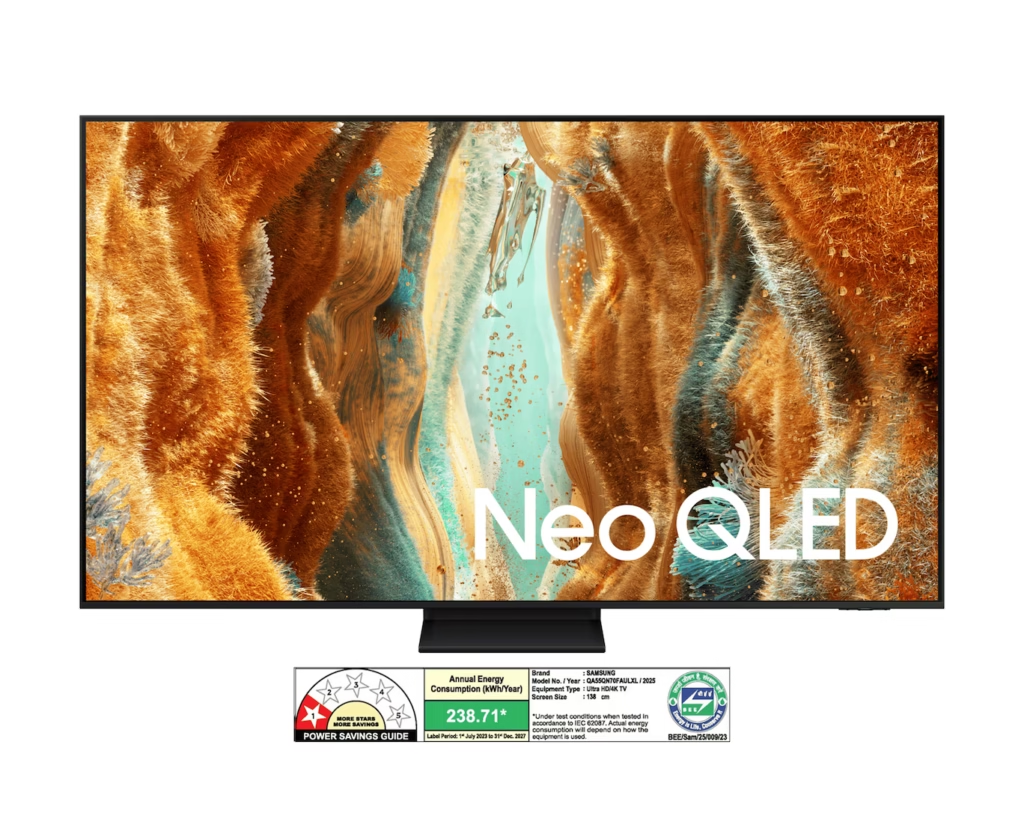
  • Neo QLED (top tier)

So just seeing “QLED” in the name is not enough.

Samsung’s Budget QLED Series in India

In India, Samsung offers affordable QLED models mainly in:

  • Q60 series
  • Some Q70 variants (older models)

These are priced lower to compete with brands like Xiaomi, TCL, Hisense, etc.

What you get in Budget QLED:

  • Good brightness
  • Decent HDR
  • Slim design
  • Samsung brand value

What you DON’T get:

  • Very high peak brightness
  • Top-end local dimming
  • Best gaming features
  • Premium metal build

In short:
They are good TVs, but not “mind-blowing cinema experience.”

Premium QLED & Neo QLED – A Different Game

Now when you move to higher series like:

  • Q80
  • QN85
  • QN90
  • Neo QLED lineup

You enter premium territory.

These TVs offer:

  • Mini-LED backlighting
  • Much better local dimming
  • Higher brightness
  • Better motion handling
  • Premium design
  • Advanced gaming features

This is where you see the real “wow” factor.

What About Non-QLED Samsung TVs?

Now let’s talk about regular LED TVs.

Many people assume:

Non-QLED = Cheap TV.

Not true.

Samsung’s non-QLED TVs include:

  • Crystal UHD (budget and mid range)
  • Some premium 4K LED models

Budget Non-QLED:

  • Basic 4K resolution
  • Standard brightness
  • Good for normal cable TV watching

Premium Non-QLED:

  • Better processors
  • Better upscaling
  • Improved panel quality
  • Smoother UI

So even in non-QLED category, Samsung divides quality by pricing.

Why Does Samsung Do This?

Simple reason:
India is a price-sensitive market.

Not everyone can spend ₹1.5 lakh on a TV. So Samsung creates:

  • Entry models for ₹30–50k range
  • Mid-range for ₹50–90k
  • Premium for ₹1 lakh+

This allows them to compete with budget brands while also keeping their premium image intact.

Smart business strategy.

The Real Lesson for Buyers

Here’s the biggest takeaway:

👉 Do not buy a TV only because it says “QLED.”
👉 Do not assume non-QLED is bad.

Instead, check:

  • Series number
  • Peak brightness
  • Panel type
  • Refresh rate
  • Local dimming support
  • Processor version

Model series matters more than just the technology label.

Curious Angle Perspective

At Curious Angle, we always try to look beyond marketing.

Technology brands use big words like QLED, HDR10+, Neo, AI Processor, etc. But the real quality depends on:

  • Internal hardware
  • Display panel grade
  • Processing power
  • Pricing segment

Samsung is not alone. Almost every major brand follows this strategy.

So next time you visit a showroom in India, don’t just ask:

“Is this QLED?”

Ask:

“Which series is this? Is it entry-level or premium?”

That one question can save you thousands of rupees.

Suggested Article: https://curiousangle.in/huaweis-new-tablet-is-ipad-minis-competition/
Huawei’s new tablet is iPad Mini’s competition

Image Credits: Huawei, Website: www.huawei.com

Website: https://x.com/HuaweiMobile/status/2026567996106580356 , Image/ Video Credit: Huawei

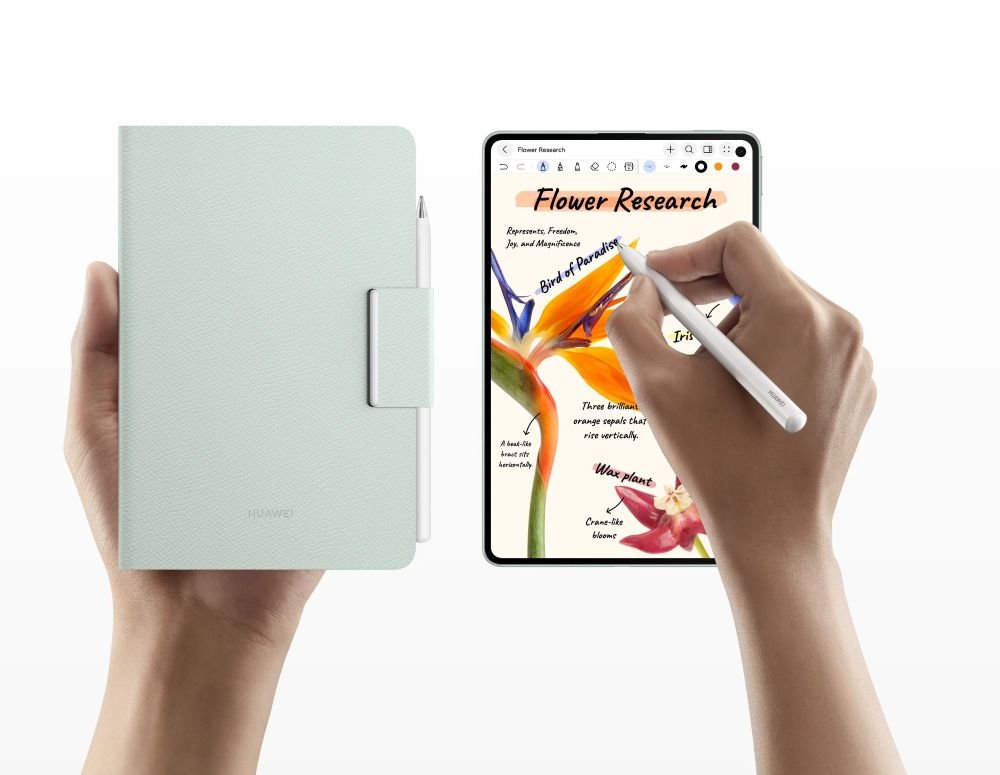
Finding a powerful tablet that actually fits in one hand is a challenge, but the new Huawei MatePad Mini is stepping up to challenge the iPad Mini’s crown.

Launched globally with a sleek design and high-end specs, this 8.8-inch powerhouse is built for those who need performance without the bulk of a full-sized tablet. Here is everything you need to know about the latest addition to the MatePad family.

The “Pocket Rocket” Specs

  • Stunning Display: It features an 8.8-inch 2.5K Flexible OLED screen. With a 120Hz refresh rate and 1800 nits peak brightness, it’s vibrant enough for outdoor use in the Indian sun or bright office spaces in the US.
  • Ultra-Thin & Light: At just 5.1mm thin and weighing only 255g, it’s significantly lighter than most smartphones in a rugged case, making it perfect for one-handed reading or gaming.
  • Pro-Grade Cameras: Unlike most tablets with “filler” cameras, this packs a 50MP main sensor and a 32MP selfie camera, ideal for high-quality video calls or scanning documents on the go.
  • Power to Last: A 6,400mAh battery paired with 66W fast charging means you won’t be tethered to a wall for long.

Who is this for? (Target Uses)

The MatePad Mini isn’t just a smaller tablet; it’s a specialized tool for specific lifestyles:

  1. The Mobile Gamer: The 120Hz OLED screen and compact size make it a “gaming handheld” in disguise. It’s easier to grip than a 10-inch tablet but offers much more immersion than a phone.
  2. The Digital Nomad & Student: If you’re constantly commuting between Jersey City and Manhattan, or navigating a busy campus in Bengaluru, this fits in a jacket pocket or a small sling bag. With M-Pencil Pro support, it’s a digital notepad that goes everywhere.
  3. The E-Reader Enthusiast: For those who find Kindles too slow but 11-inch tablets too heavy, this is the “Goldilocks” device for reading magazines, PDFs, and comics.
  4. The Content Creator: With 4K video recording and a high-res front camera, it’s a portable studio for quick reels, vlogs, or professional Zoom meetings.

The Curious Angle Verdict

In China, the MatePad Mini is priced starting around CNY 3,299 (~₹43,000 / $520). While HarmonyOS 4.3 offers a smooth, fluid experience, the lack of native Google services remains a factor for some.

However, if you prioritize hardware quality—specifically that gorgeous 2.5K display and the incredibly thin build—the MatePad Mini is arguably the most exciting “small” tablet we’ve seen this year. It’s a premium alternative for those who want iPad Mini portability with an even more modern display.

Available Colors: Graphite Black and Spruce Green.

Suggested Article: https://curiousangle.in/important-things-iphone-buyers-in-2026-should-lookout-for/

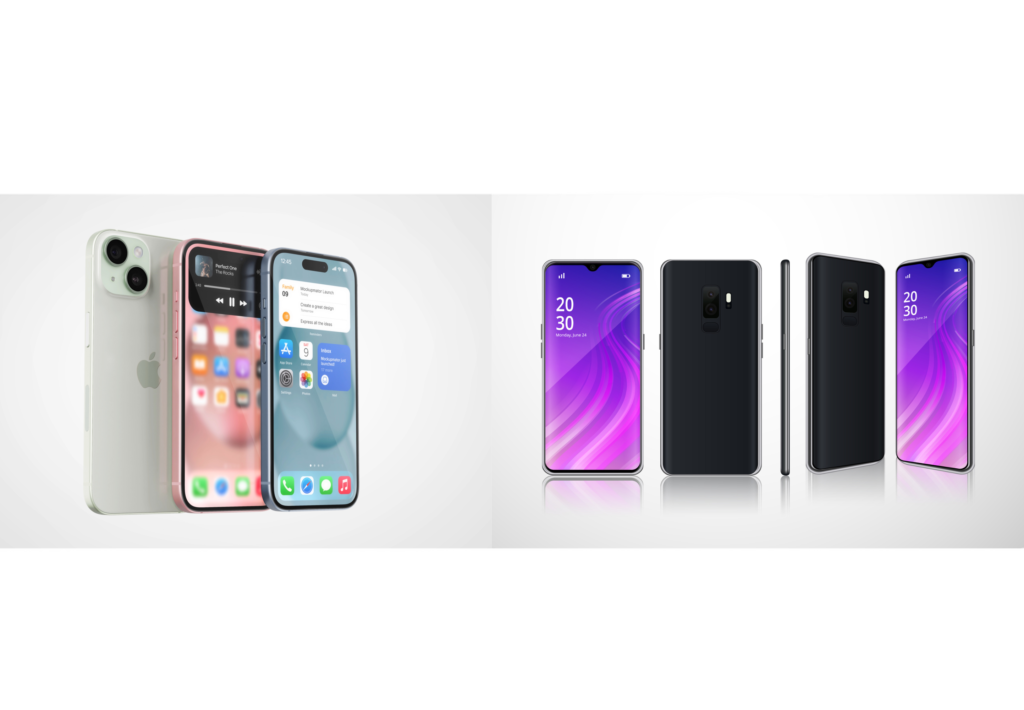
Iphone vs Android phone in 2026

Images Credit : Freepik, Website: https://www.freepik.com/

In 2026, the gap between iPhone and Android has narrowed in terms of raw power, but the two ecosystems have doubled down on their distinct philosophies. Apple is leaning into a “cleaner,” more immersive hardware aesthetic, while Android manufacturers are pushing the boundaries of battery tech and AI-first hardware.

Here is the breakdown of the landscape as of early 2026:

1. The Hardware Face-Off

The biggest shift this year is the move toward “invisible” technology and extreme battery density.

FeatureiPhone (iPhone 17 & 18 Pro)Android Flagships (S26 Ultra / Pixel 10)
DisplayMoving toward Under-Display Face ID (iPhone 18 Pro) to shrink the Dynamic Island.Bezel-less “Waterfall” or quad-curved displays; high-frequency PWM dimming for eye comfort.
BatteryFocus on efficiency; standard 1-2 day life with MagSafe refinement.Introduction of Silicon-Carbon batteries (6,000mAh+ in slim bodies) and 100W+ charging.
BiometricsFace ID remains king; rumors of a return to Touch ID for the iPhone Fold.Ultrasonic under-screen sensors that work over larger areas of the display.
FoldablesiPhone Fold (Late 2026) – rumored book-style design with a “creaseless” hinge.Tri-fold devices (Samsung/Huawei) that turn a phone into a full 10-inch tablet.

2. Software & AI: The “Personal Assistant” Era

In 2026, OS updates are no longer about UI tweaks—they are about which AI “agent” can actually run your life.

  • iOS 19/20: Apple has integrated a “Siri 2.0” (powered by an in-house A20 Neural Engine) that focuses on Privacy-First AI. Most tasks happen on-device, ensuring your data never leaves the phone. The ecosystem remains its “walled garden” strength, with iMessage and AirDrop still being the primary social anchors in the US.
  • Android 16/17: Google’s Gemini is now the core of the OS. The Pixel 10/11 series features “Speak-to-Tweak” (voice-based photo/video editing) and proactive AI that predicts your next app move. Android also leads in Customization, with 2026’s “Material You” allowing for even deeper OS-level theme control.

3. Camera Performance

  • iPhone: Remains the gold standard for Video. The 2026 Pro models feature Variable Aperture lenses, allowing for natural “DSLR-style” bokeh in video and better low-light performance.
  • Android: Dominates in Zoom and Raw Specs. Samsung’s S26 Ultra continues to push the 200MP+ boundary with improved AI-assisted 100x zoom that looks sharper than previous years. Sony and Xiaomi are the picks for “pro” photographers who want massive 1-inch sensors.

4. The Longevity Factor

  • Apple: Still the leader in Resale Value. An iPhone bought in 2026 is expected to receive updates until at least 2032.
  • Android: Major brands like Samsung and Google have officially matched Apple, promising 7 years of OS updates for their flagships. However, mid-range and budget Androids still vary wildly in support.

Which should you choose?

Go with iPhone if… you want the most stable video camera, the highest resale value, and a device that integrates perfectly with your Mac or Apple Watch.

Go with Android if… you want the latest “bleeding edge” tech (like tri-folds or 15-minute fast charging), prefer a specific hardware look (like the Pixel’s visor), or need deep file-system flexibility.